Marino Mazzotta
Recovery Coach
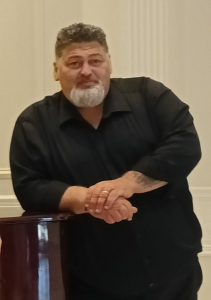
About Marino

Marino Mazzotta is a dedicated and compassionate Recovery Coach committed to empowering individuals on their journey to healing and personal growth. With a diverse educational background, Marino holds a CSAW Diploma and is a registered member of the Canadian Addiction Counsellor Certification Federation (CACCF), where he holds credentials as an Associate Addictions Counselor (AAC).
In addition to his formal education, Marino has enriched his expertise with several specialized certifications, including Gambling Counseling, A.S.I.S.T. (Applied Suicide Intervention Skills Training), Crisis Prevention Intervention, First Aid, and Victim Service Training. These qualifications equip him with a toolkit of skills essential for supporting clients in various situations.
Marino’s approach to recovery is deeply rooted in his own lived experiences with mental health and alcohol challenges. Having navigated his own path to recovery, he understands the complexities and struggles faced by those seeking change. His empathy and non-judgmental attitude create a safe space for clients to share their experiences and work towards their goals.
As a Recovery Coach, Marino utilizes a holistic approach, focusing on the individual needs of each client. He is passionate about fostering resilience, building coping strategies, and promoting sustainable recovery practices. By offering guidance, support, and practical tools, Marino aims to inspire hope and help others reclaim their lives.
In his free time, Marino is an advocate for mental health awareness and recovery support, sharing his story to inspire others facing similar challenges. He believes that everyone has the potential to overcome obstacles and live fulfilling lives, and he is dedicated to being a guiding light on that journey.
My Services
Peer Support
- Peer support in mental health refers to the emotional and practical assistance provided by individuals who have experienced similar mental health challenges.
- This form of support fosters a sense of connection, understanding, and validation that can be difficult to achieve through traditional clinical relationships alone.
- By sharing personal experiences, peers can offer hope, reduce feelings of isolation, and model recovery, which can be especially empowering for those struggling to cope.
Maintaining Recovery
- Maintaining mental health recovery involves ongoing self-care, support, and awareness of one’s needs and triggers.
- It includes practicing healthy habits such as regular sleep, balanced nutrition, physical activity, and stress management techniques.
- Staying connected with supportive people, including peers or professionals, helps reinforce progress and provides encouragement during setbacks.
- Recovery is not a one-time event but a continuous journey that requires patience, self-compassion, and a proactive approach to managing mental well-being.
Teaching and Coping Techniques
- Teaching and learning coping techniques are essential components of addiction recovery, helping individuals manage cravings, stress, and triggers in healthier ways.
- These techniques may include mindfulness, deep breathing, cognitive-behavioral strategies, and developing new routines or hobbies that support sobriety.
- By equipping individuals with practical tools and skills, they become more empowered to handle difficult emotions and situations without returning to substance use.
- Ongoing practice and support from therapists, peers, or recovery groups can reinforce these coping methods and promote long-term recovery.
Workshops (Groups and Individuals)
- Workshops can be a powerful tool in supporting mental health and addiction recovery by providing a structured, supportive space to learn, share, and grow.
- They often focus on building skills like emotional regulation, stress management, communication, and relapse prevention, all of which are vital for maintaining recovery.
- Participating in workshops also encourages connection with others facing similar challenges, reducing feelings of isolation and promoting a sense of community.
- The interactive nature of workshops allows individuals to actively practice new techniques and gain confidence in applying them to their daily lives.
What is addiction?
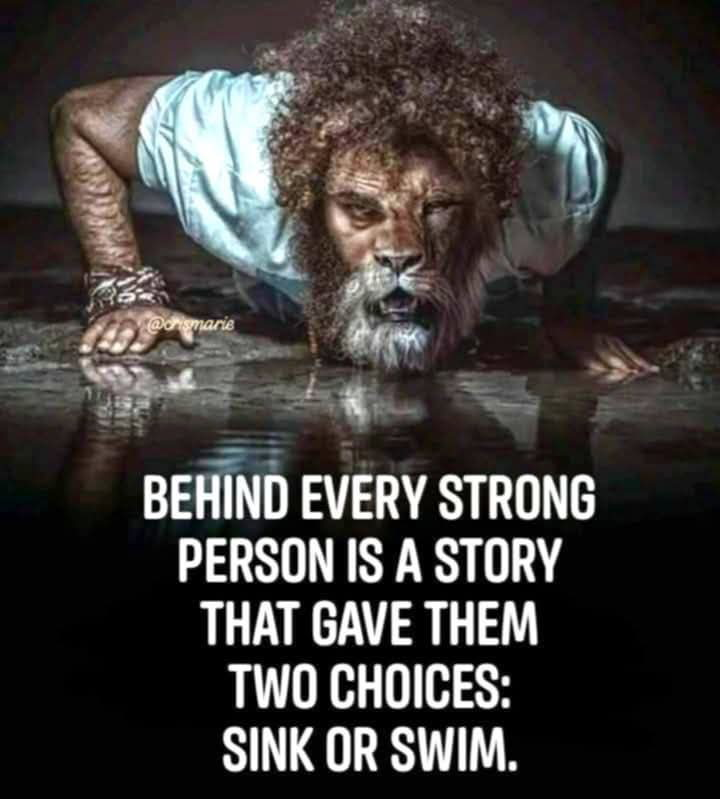
Addiction is more than a word: it is a lived reality for millions, a relentless shadow that can consume joy, ambition, and connection.
At its core, addiction is a chronic, relapsing disorder characterized by the compulsive pursuit and use of a substance or engagement in a behaviour, despite harmful consequences.
It is not a moral failing or a simple lack of willpower but a complex interplay of biological, psychological, and social factors that alter the brain’s circuitry.
The lines blur between choice and compulsion until the substance or behaviour becomes a central focus, often at the expense of health, relationships, and personal dreams.
Addiction thrives in secrecy and shame, reinforcing isolation. Yet, in truth, it is a human condition—one that can stem from trauma, mental health struggles, social pressures, or genetic predisposition.
The brain’s reward system becomes hijacked, prioritizing short-term relief over long-term well-being. This cycle can feel unbreakable, but there is hope: recovery is possible, and every journey towards it is a testament to human resilience.
Different types of addiction
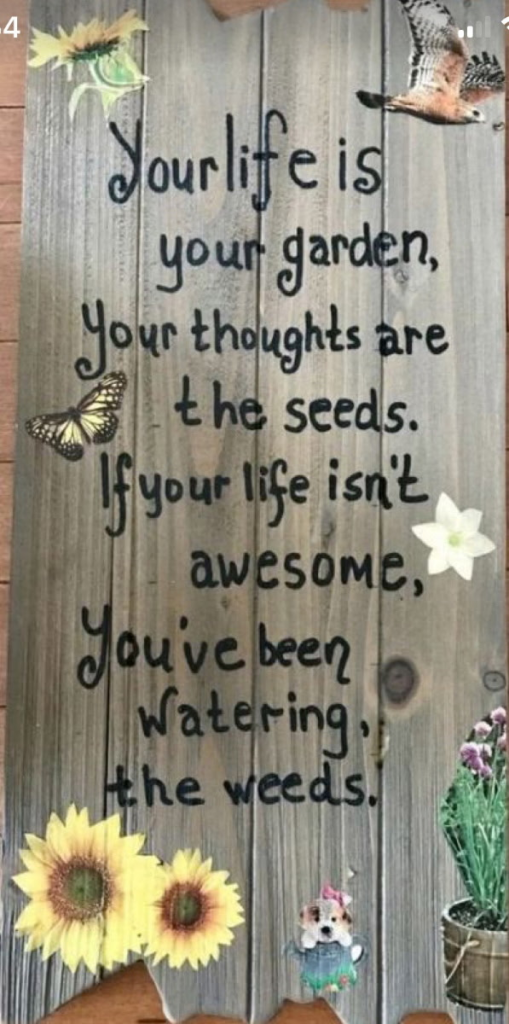
Addiction takes many forms, often far beyond the stereotypes that come to mind. While substance addictions are widely recognized, behavioural addictions can be just as pervasive and destructive. Understanding these different types is crucial to recognizing the far-reaching impact of addiction and the diverse paths to recovery.
Substance Addictions
- Alcohol Addiction: One of the most common, it manifests in compulsive drinking, inability to control intake, and withdrawal symptoms.
- Drug Addiction: This includes both illicit drugs (such as heroin, cocaine, methamphetamine) and prescription medications (opioids, benzodiazepines) misused for their psychoactive effects.
- Tobacco/Nicotine Addiction: The persistent use of tobacco products, often beginning in adolescence, leading to serious health risks.
Behavioural Addictions
- Gambling: When the thrill of winning becomes a compulsion, leading to financial ruin and emotional distress.
- Internet and Gaming: Excessive screen time and online gaming that interferes with daily life, relationships, and responsibilities.
- Shopping: Compulsive buying as a way to cope with emotions or stress, often resulting in debt and regret.
- Food: Patterns of binge eating or compulsive consumption that disrupt physical and emotional health.
- Sex and Relationships: Pursuing intimacy or sexual encounters to the detriment of other aspects of life.
Ways to Start Recovery
Recovery is not a one-size-fits-all process. It begins at different points for everyone, but the first step is always the same: acknowledging the problem and choosing change. From there, the journey can take many forms, each tailored to personal needs and circumstances:
- Therapy and Counseling: Cognitive behavioural therapy (CBT), motivational interviewing, and trauma-informed care help address underlying issues and build coping strategies.
- Peer Support Groups: Groups like Alcoholics Anonymous (AA), Narcotics Anonymous (NA), or SMART Recovery foster community and shared experience.
- Holistic Approaches: Mindfulness, meditation, yoga, and art therapy can play vital roles in healing body and mind.
- Lifestyle Changes: Building new routines, nurturing healthy relationships, and finding meaningful activities all support lasting recovery.
Most importantly, recovery often requires a network of support: family, friends, professionals, and peers who can encourage, hold accountable, and inspire hope along the way.
Copyright 2025 Marino Mazzotta
This information contained in this website is not a substitution for medical advice.
All content presented on this website is the intellectual property of the publisher, Marino Mazzotta, Recovery Coach.
This includes, but is not limited to, text, graphics, images, downloadable materials, and any other informational resources.
Unauthorized reproduction, distribution, or transmission of any part of this content, whether in whole or in part, is strictly prohibited without prior written consent from Marino Mazzotta.
Legal action may be pursued in the case of any infringement.
If you wish to use or reference any materials from this website, please contact us to obtain the appropriate permissions.